In 2004, a simple question posted to The Clay Minerals Society sparked a two-decade scientific investigation: what makes certain clays antibacterial?
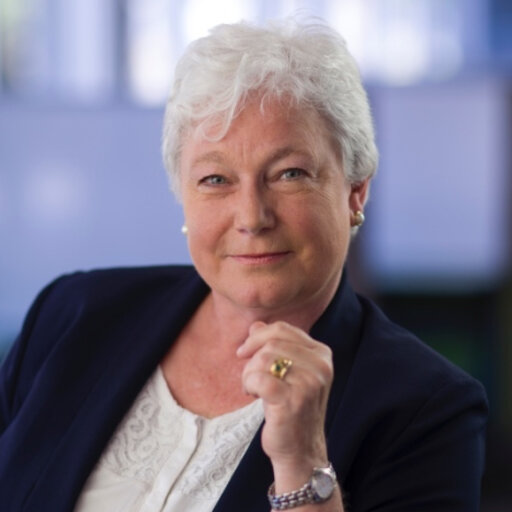
In this fascinating talk, geochemist Dr. Lynda B. Williams (Arizona State University, Research Professor Emerita) shares the real-world origin story of "healing clays," beginning with French green clay used to treat Buruli ulcer wounds in West Africa, and following the science that unraveled why some clays can kill antibiotic-resistant bacteria. You’ll learn how clay mineralogy, ultra-fine particle size, and reduced iron chemistry can generate reactive processes that damage bacterial membranes and support wound healing, and why the same clays can become ineffective in the presence of blood. Grounded in compelling field history and rigorous lab discovery, this lecture bridges humanitarian need, mineral science, and modern microbiology.
In this fascinating talk, geochemist Dr. Lynda B. Williams (Arizona State University, Research Professor Emerita) shares the real-world origin story of "healing clays," beginning with French green clay used to treat Buruli ulcer wounds in West Africa, and following the science that unraveled why some clays can kill antibiotic-resistant bacteria. You’ll learn how clay mineralogy, ultra-fine particle size, and reduced iron chemistry can generate reactive processes that damage bacterial membranes and support wound healing, and why the same clays can become ineffective in the presence of blood. Grounded in compelling field history and rigorous lab discovery, this lecture bridges humanitarian need, mineral science, and modern microbiology.
Register here for this free event. Attendance is free of charge, and everyone with an interest in clay science, microbiology, or natural health solutions is warmly welcome.
Date: Thursday, May 28, 2026
Time: 6:30 PM - 7:30 PM
The Lecture will be held at 6:30 PM EST USA on ZOOM.